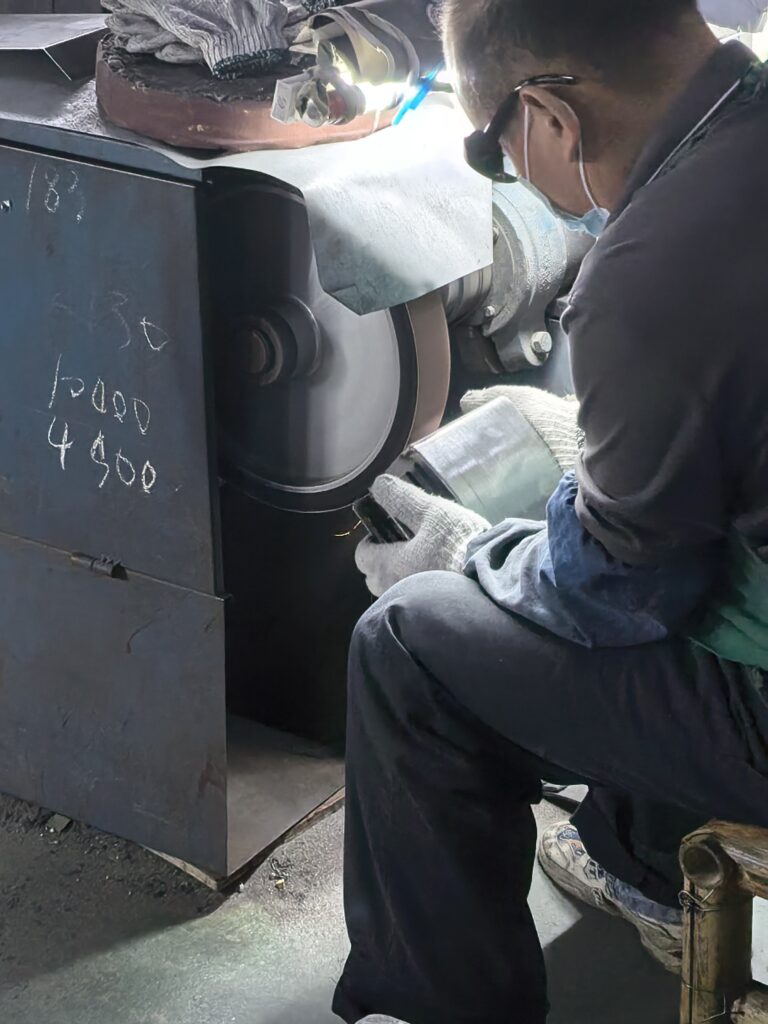
Choosing the right BBQ accessories manufacturer is an important step for any brand, retailer, wholesaler, or importer planning to build a private label product line. A good supplier does more than make products. The right factory can help you improve quality, support packaging development, manage lead time, and reduce sourcing risks over the long term.
In the BBQ accessories industry, even simple products such as grill tongs, spatulas, cleaning brushes, and grill baskets involve many details that affect final quality. Material choice, handle construction, logo application, packaging style, and inspection standards all influence how the product performs in the market. That is why buyers should evaluate manufacturers carefully before placing an order.
This guide explains the key points you should review when choosing a BBQ accessories manufacturer for private label projects.
1.Define Your Product and Market Positioning
Before you contact suppliers, you should first be clear about your product goals. Many sourcing problems begin because buyers request quotations without clearly defining what they want to sell and who their target customers are.
Ask yourself these questions:
- Are you selling to retailers, wholesalers, e-commerce customers, or distributors?
- Are you selling to retailers, wholesalers, e-commerce customers, or distributors?
- Are you looking for standard products with logo customization, or fully customized products?
- Will you sell single tools or complete BBQ tool sets?
These questions matter because product positioning affects everything from material selection to packaging style. For example, a basic wholesale grill set may use standard stainless steel and simple packaging, while a premium private label gift set may require upgraded materials, a stronger finish, and custom color boxes.
A reliable manufacturer should understand your market positioning and recommend the right products based on your price level, target channel, and branding goals.
2.Check Manufacturing and Customization Capabilities
Not every factory has the same strength in every product category. Some manufacturers are stronger in standard BBQ tools, while others may have better experience in pizza accessories, grill baskets, cast iron products, or bundled gift sets.
When reviewing a supplier, check whether they can support the type of products you want to develop. Private label work often includes more than just putting a logo on an existing item. It may involve:
- Logo printing or laser marking
- Custom handle colors
- Product set combinations
- Custom packaging
- Insert cards and barcode labels
- Small design changes
- New mold development for certain items
It is also important to understand the difference between simple OEM work and deeper product development support. Some factories mainly offer existing products with logo customization, while others can support ODM-style development and more complex packaging projects.
The more clearly a supplier can explain their customization options, the easier it will be for you to plan your product range and budget.
3.Understand MOQ, Pricing, and Lead Time
MOQ is one of the first things buyers ask about, but MOQ should never be considered alone. It is closely connected to customization level, packaging requirements, and cost.
In many cases, MOQ depends on:
- Whether the product uses existing molds
- Whether the item is standard or customized
- Material type and thickness
- Packaging format
- Logo application method
- Logo application method
For example, a standard BBQ tong with a simple logo usually has a more flexible MOQ than a customized grill set with special handle colors and printed gift box packaging.
Price should also be evaluated carefully. A lower quotation may mean thinner material, simpler packaging, or less refined workmanship. For private label buyers, product consistency is just as important as price.
Lead time is another key factor. BBQ accessories often have seasonal demand, so delays can affect your launch plan or sales season. Ask the manufacturer about sample time, production time, packaging approval time, and communication speed. A good supplier should be able to give realistic timelines and explain what may affect delivery.
4.Review Quality Control and Packaging Support
Quality control is one of the most important parts of supplier evaluation. Even for simple tools, small defects can lead to customer complaints, returns, or damage to your brand image.
A reliable manufacturer should have a clear inspection process, including:
- Raw material inspection
- In-process quality checks
- Final product inspection
- Packaging inspection
Important quality points for BBQ accessories may include stainless steel thickness, edge finishing, welding quality, handle strength, logo accuracy, and packaging condition.
Packaging is equally important in private label projects. Good packaging protects the product, improves presentation, and helps your brand look more professional in retail and e-commerce channels.
Common packaging options include:
- Hang cards
- Kraft boxes
- Color boxes
- Gift set boxes
- Barcode labels
- Instruction inserts
Before choosing a supplier, confirm whether they can support packaging artwork, logo placement, barcode labeling, and retail-ready formats. A factory with solid packaging support can save time and help you create a stronger product presentation.
5.Choose a Supplier for Long-Term Cooperation
A good manufacturer should not only meet your first order requirements. They should also be able to support your business as it grows.
As your brand develops, you may need:
- More product categories
- Better packaging
- Faster repeat orders
- Improved quality standards
- New product development
- More stable communication
That is why supplier selection should not be based only on one quotation. You should also evaluate product knowledge, communication efficiency, packaging support, quality control, and the ability to cooperate over time.
Some warning signs should be taken seriously. These include vague quotations, poor understanding of product details, weak communication, no clear inspection process, or unrealistic promises about customization and lead time.
The best suppliers usually ask relevant questions, explain trade-offs clearly, and provide practical recommendations. They are more likely to become long-term partners rather than short-term vendors.
Conclusion
Choosing a BBQ accessories manufacturer for private label projects requires more than comparing prices. Buyers should review product experience, customization capability, MOQ structure, lead time, quality control, and packaging support before making a decision.
A reliable supplier can help you reduce sourcing risk, improve product consistency, and build a stronger private label business. Whether you are launching your first BBQ tool set or expanding into a wider accessories range, selecting the right manufacturing partner will make a major difference.
FAQ
1. What should I check first when choosing a BBQ accessories manufacturer?
You should first check whether the supplier’s product range, customization options, and market experience match your business goals.
2. Can I start with standard products before developing a full private label line?
Yes. Many buyers begin with standard products and simple logo applications before moving to fully customized packaging or product designs.
3. Why does custom packaging usually increase MOQ?
Because custom packaging often requires separate printing, material preparation, and assembly, which raises both cost and production requirements.
Looking for a reliable BBQ accessories manufacturer for your private label project? Sunmu supports OEM and private label development for BBQ tools, grill accessories, pizza accessories, and cast iron products. Contact us for product recommendations, packaging solutions, and quotation support.